A Comprehensive Interview with the Restoration Company Behind the Operation
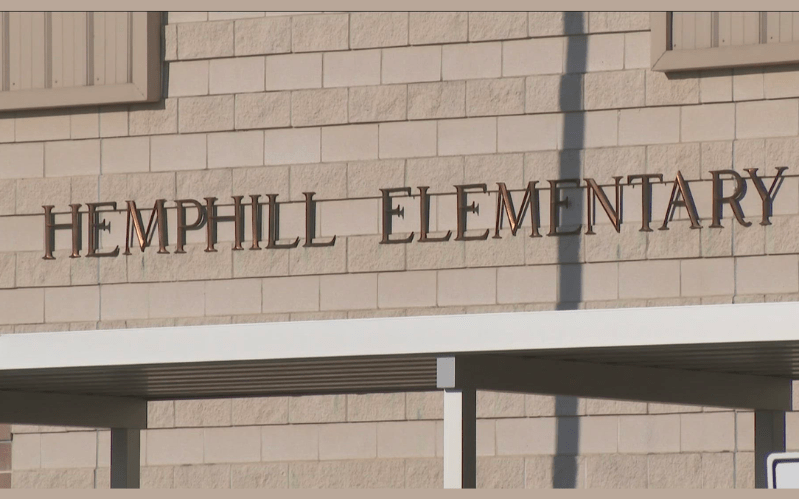
KYLE, TEXAS – In a significant development for the Kyle community, Hemphill Elementary School has successfully completed its mold removal process, paving the way for a safe return of students and staff. This thorough initiative was spearheaded by The Steam Team, a prominent restoration company specializing in water, fire, and mold damage remediation. In an exclusive interview, Steven Shields, an estimator on the project, shed light on the intricate details of the operation, addressing common concerns and providing insights that can benefit other educational institutions facing similar challenges.
Q: How was the mold initially identified or reported by the school?
Steven Shields: “I believe it was staff, whether that’s teachers, I’m not sure, but I think it was one or two classrooms that teachers had brought it up to admin that they smelled mold or had some possible allergies or something going on, which prompted the suspect of possible mold.”
Q: Were additional preventative measures, besides the plastic and the air testing, performed to prevent the recurrence of mold in the future at Hemphill Elementary School?
Steven Shields: “The containment of those [affected] areas were done in order to remove the source of the mold. They [affected areas] were covered in plastic and tape prior to the full build back to occur. So safety measures are, in short, to contain all the areas after mold was removed, including behind walls, by 6 millimeter plastic taped around the walls and studs to section off the areas that were opened during the remediation process, including air tests. Air samples were taken to be tested in a lab by the same company that was called out to confirm that there was mold, then after remediation was complete, that company had deemed, through lab results, that the mold was removed, and that was confirmed via lab results and provided to the school. HEPA filtration and containment during the entire remediation process is a standard practice during mold remediation. All areas that were confirmed to have mold present were contained and HEPA filtration was used through various types of equipment, in order to eliminate the spread of spores throughout the building.”
Q: Are there any warning signs that those in schools or institutions can look out for to prevent them from facing similar issues as Hemphill Elementary?
Steven Shields: “Mainly just using your senses here, but mainly visibility and odors. So if you see leaks or evidence of possible leaks, water on the floors or ceilings, or where there shouldn’t be. All degrading building materials, whether it’s walls, ceilings, floors, cracks or things of that nature can sometimes be clues that there is water damage in some areas and that’s where mold likes to grow; where there is water damage and areas where water is not supposed to be present.”
Q: What can schools and institutions do in an attempt to prevent mold from being present in their school buildings? What advice would you have for them?
Steven Shields: “Consistent education in an effort to educate teachers and staff of reporting issues that could be of possible concern, whether it’s visibly or possible odors, that could relate to musty or moldy smells, to report those. In addition, having fully trained environmental safety staff that works closely with school’s facilities teams to be educated in this area. Do full thorough inspections with license or certified personnel when these possible concerns arise would be ideal in controlling. Also older buildings tend to be more prone to these types of issues because leaks are more likely to arise in older building materials, as they typically degrade over time. Older HVAC systems are also a likely source of mold growth when they dont get serviced or inspected regularly. Basically, building materials should be inspected regularly and a consistent follow-up in education for the staff is paramount.”
The district said during the air quality test, crews found elevated levels of Aspergillus/Penicillium, which can affect people with weakened immune systems or cause allergies, according to the CDC.
The CDC says Aspergillus, which causes aspergillosis, is very common indoors and outdoors, so most people breathe it in every day. Aspergillus spores can cause infections in the lungs or sinuses, which can spread to other parts of the body.
As Hemphill Elementary School welcomes back its students and staff, the successful mold removal stands as a testament to the collaborative efforts of the school administration and the dedicated team at The Steam Team. The insights shared by Steven Shields serve as a valuable resource for other educational institutions navigating similar challenges, emphasizing the importance of vigilance, proactive maintenance, and swift remediation in ensuring a safe and healthy learning environment.




 Your Advice Columnist
Leave a comment